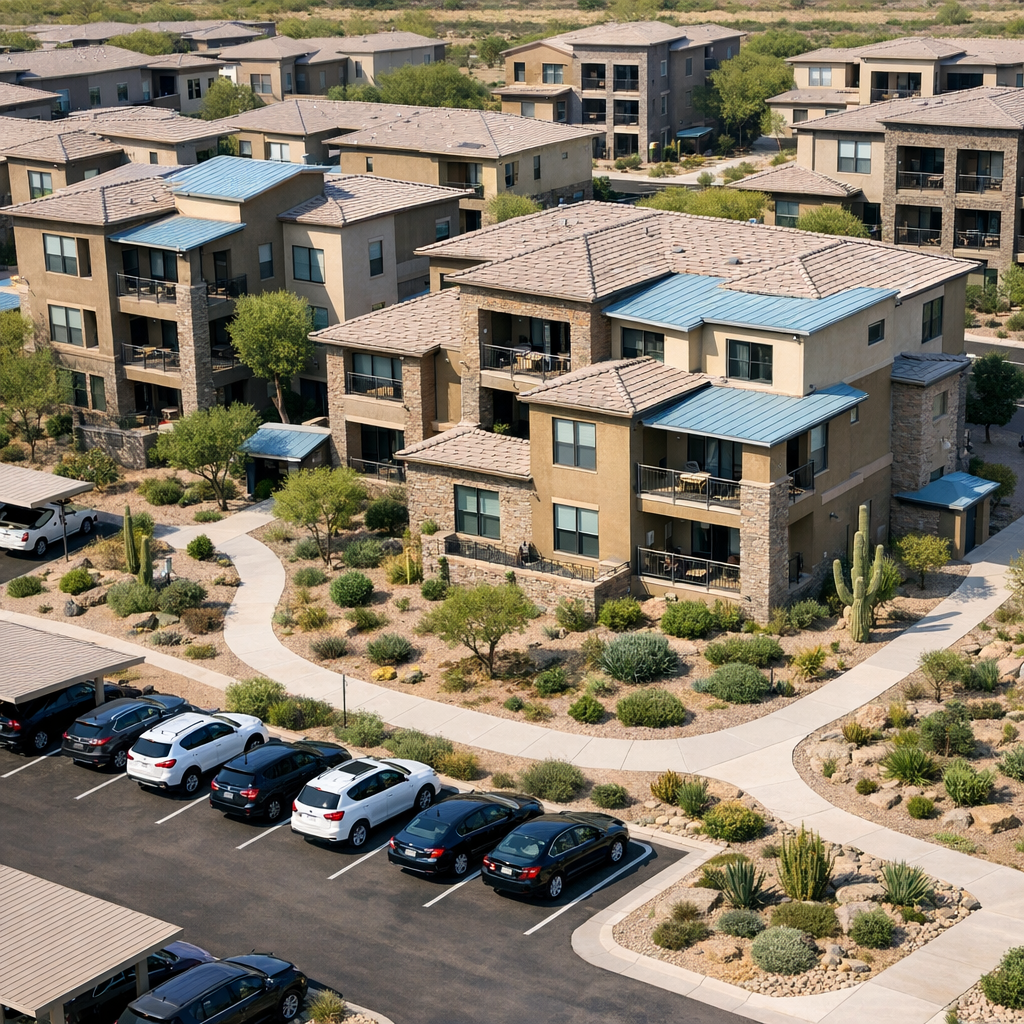

Bulk Condo Package Investment Strategy Arizona: Maximize ROI
Investing in packaged condo portfolios can unlock scale, predictable cash flow, and faster path to value creation, if you know what to look for. In Arizona, where population growth, limited buildable land in core submarkets, and steady rental demand meet complex condo ownership rules, a targeted, disciplined approach beats generic buy-and-hold strategies.
In this article you will find a practical roadmap for evaluating, underwriting, and executing a bulk condo package investment strategy arizona play, with operational tactics and exit options tuned to Phoenix and nearby markets.

Bulk Condo Package Investment Strategy Arizona
Why consider bulk condo packages? Buying multiple condominium units, or entire condo projects, together creates scale advantages you seldom get in single-unit deals. You can negotiate price per unit, centralize management, convert ownership structure where allowed, and run a coordinated capital improvement program to lift rents and resale value.
Who this strategy fits
- Institutional and private equity buyers seeking immediate scale, faster cash flow, and portfolio diversification.
- Owner-operators who prefer hands-on value-add, such as renovation and improved leasing.
- Developers or repositioning specialists who can convert or rebrand condo units into more marketable rental or hybrid product where zoning and condo docs permit.
Market signals to watch in Arizona
- Population and job growth patterns, especially in Phoenix metro submarkets like Central Phoenix, Tempe, Scottsdale, and Gilbert.
- Supply constraints, redevelopment pipelines, and condo conversion rules at the city level.
- Local tenant demand for amenitized, well-located units that command premium rents.
These local dynamics will dictate your underwriting assumptions for rent growth, absorption, and cap rate targets. For local market research and comparables, review the Vestis Group research hub and active listings to validate pricing and demand. See Phoenix Market Research and active opportunities on For Sale Listings.
Due diligence and underwriting checklist
- Title and condo docs, including CC&Rs, HOA budgets, special assessments, and voting structure. Unfavorable HOA rules can limit rental policies, capital projects, and insurance choices.
- Reserve studies and recent HOA meeting minutes to uncover deferred maintenance and upcoming assessments.
- Unit-level revenue and expense history, tenant lease files where applicable, vacancy and turnover metrics.
- Physical inspection plan, including representative unit walkthroughs, roof and envelope studies, and mechanical system reviews.
- Legal review of any rental caps, owner-occupancy rules, or short-term rental restrictions that may affect cash flow.
Accurate, conservative pro forma assumptions matter more in bulk deals because errors multiply across units. Stress-test for higher capex, longer lease-up, and HOA assessments.
Financing and deal structures
- Portfolio loans and agency financing are options for seasoned buyers. Where available they simplify documentation and can offer attractive leverage.
- Seller financing or ground leases can bridge valuation gaps in competitive markets.
- Consider layering short-term bridge loans for renovations with long-term debt once stabilized.
Structure the purchase to isolate entity-level liabilities, and align incentives for sellers when sellers retain HOA control pre-close. Work with lenders familiar with Arizona condominium portfolios to avoid valuation surprises.
Value-add playbook: operations, renovations, and leasing
- Prioritize deferred maintenance and curb appeal first, then unit interiors with targeted, cost-effective upgrades that drive rent premiums.
- Centralize property management to reduce soft costs, standardize leasing, and implement revenue management practices.
- Add or optimize amenities that matter locally, such as gated access, covered parking, high-speed internet packages, and efficient HVAC upgrades.
- Aggressive lease-up plans, tenant retention programs, and professional staging where resale is planned.
By sequencing investments, you preserve cash, demonstrate NOI improvement quickly, and de-risk refinancing or disposition.
Exit strategies
- Sell individual units after renovation for higher per-unit pricing, if market liquidity supports condo sales.
- Sell stabilized portfolio to institutional buyers seeking yield and scale.
- Convert to rental portfolio where allowed, positioning for long-term hold and cash-flow returns.
Selecting exits in advance clarifies renovation scope, underwriting horizons, and tax planning.
Risk management and common objections
- HOA-related surprises, from special assessments to restrictive rental rules. Mitigate with thorough HOA due diligence and contingency reserves.
- Liquidity mismatch if condo resale markets cool. Have a backup plan, such as renting units or staging a phased disposition.
- Financing gaps due to non-warrantable condo status. Work with specialty lenders and account for higher initial leverage costs.
Implementation checklist for buyers
- Assemble a local due diligence team: attorney, HOA specialist, contractor, and property manager.
- Run conservative pro formas and sensitivity analyses.
- Negotiate HOA cooperation for needed capital projects or rental policy changes, when possible.
- Stage capital improvements to create early NOI wins, then scale upgrades across the package.
Frequently Asked Questions
How is a bulk condo purchase different from buying multifamily apartments?
Bulk condo purchases often involve separate legal titles per unit, HOA governance, and potential resale channels to retail buyers. Multifamily apartments are typically single-title assets with centralized management, making financing and operations simpler.
Can I convert condo units to rentals in Arizona?
Conversion depends on CC&Rs, local zoning, and HOA rules. In many cases you can rent units, but some HOAs limit rental percentages. Do legal review early.
What financing options are common for bulk condo packages?
Options include portfolio loans, agency programs for eligible deals, bridge loans for renovations, and specialized lenders for non-warrantable condos. Each has trade-offs on pricing and covenants.
How do HOA fees affect underwriting?
HOA fees are a material expense that reduce net operating income. Look at reserves, recent increases, and any planned assessments to model realistic cash flow.
What returns should investors expect?
Returns vary widely, based on submarket, execution, and exit strategy. Value-add plays typically target higher IRRs due to renovation upside, while stabilized sales focus on cap rate compression and steady cash flow.
Ready to pursue a bulk condo package in Arizona?
If you want a partner who knows Phoenix and Arizona condo nuances, we can help underwrite deals, negotiate with HOAs, and execute a value-add plan that fits your timeline. Contact Vestis Group to review opportunities and run a custom pro forma.
Contact us: 602-281-6202, email info@vestis-group.com, or visit https://vestis-group.com/contact
About Vestis Group
Vestis Group is a Phoenix-based real estate brokerage helping investors, owners, and buyers navigate
multifamily, commercial, and residential investment real estate across Metro Phoenix and Arizona.
Our team supports acquisitions, dispositions, leasing strategy, and tenant representation with market-driven guidance and execution.
Explore Our Services & Listings
- Brokerage Services (Multifamily, Commercial, Residential)
- For Sale Listings
- Phoenix Multifamily For Sale
- Arizona Commercial Real Estate For Sale
- Homes & Condos For Sale in Phoenix
- Leasing
- Tenant Representation
- Phoenix Market Research
Talk With Vestis Group
📞 Call 602-281-6202
📩 Email info@vestis-group.com
🔗 Contact: https://vestis-group.com/contact