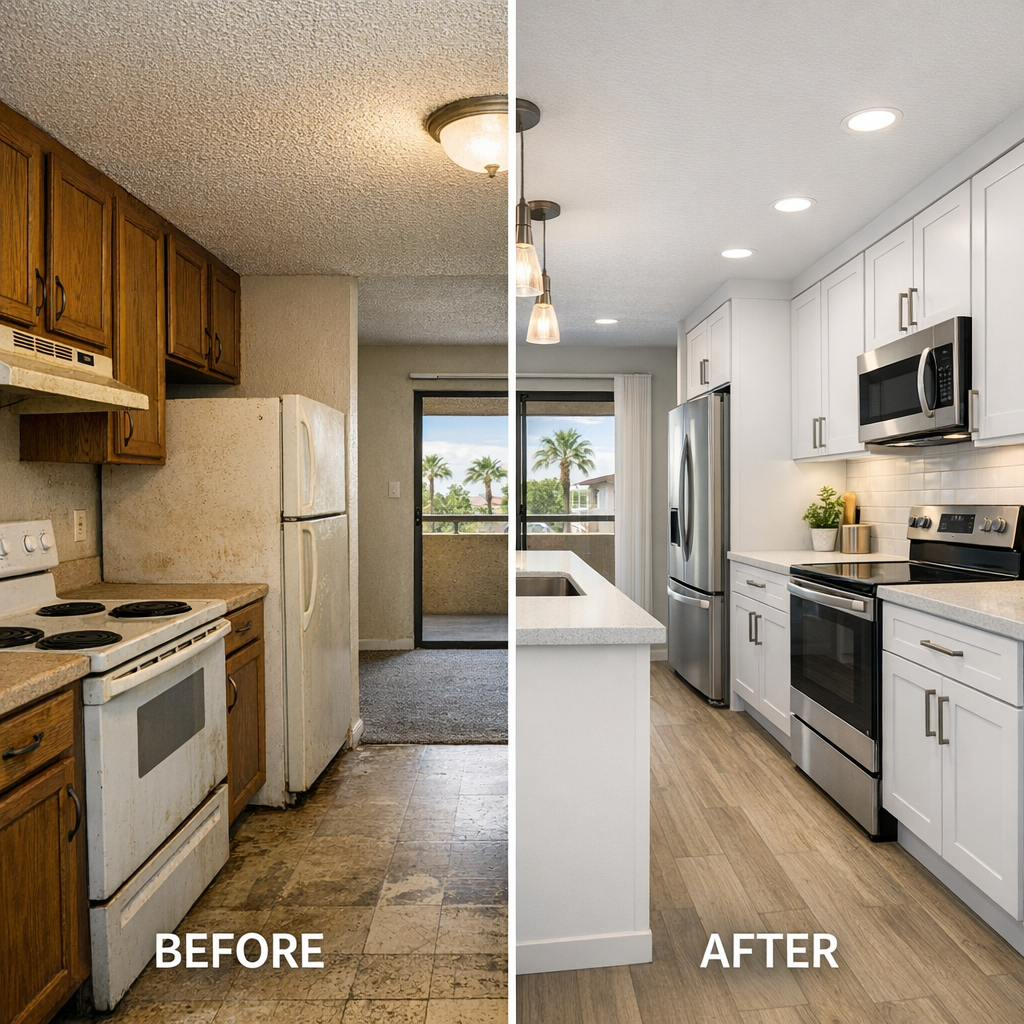

Value Add Investment Opportunities Phoenix: Where To Buy Now
Phoenix remains one of the most discussed markets for investors hunting upside. If you want practical, deal-focused guidance on locating and executing value-add investments in the Valley, this article lays out where opportunity is showing up, how to underwrite common renovations, and the execution steps local buyers should prioritize.
In the paragraphs that follow you will find market context, actionable sourcing strategies, typical pro forma improvements that drive returns, and negotiation tips for Phoenix submarkets. Early on, know this: value add investment opportunities Phoenix are most viable where strong employment growth, commuter access, and constrained affordable supply intersect with older asset bases that need operational or capital upgrades.
Why Phoenix Still Matters for Value-Add Investors
The Phoenix metro experienced heavy new supply in recent years, which created a near-term reset for rents and occupancy. That reset also created pricing dislocation in many older properties, and investors with the ability to execute renovations and smarter management can buy accretive assets. National and local reports show elevated deliveries but also steady renter demand in core submarkets, creating selective pockets of opportunity. See recent market perspectives from industry research providers for context: Marcus & Millichap, Colliers, and local coverage showing construction-driven rent adjustments.

Value Add Investment Opportunities Phoenix, spotting the best deal types
Classic rehab multifamily
Older garden-style properties built in the 1970s to 1990s often have below-market rents, deferred maintenance, and outdated unit finishes. Target these for interior unit upgrades, basic amenity improvements, and light exterior renovations. Small capex per door can drive outsized rent bumps, especially in supply-constrained submarkets.
SFR portfolios and duplex/triplex blocks
Bulk single-family rental packages and small multifamily clusters are attractive in Phoenix because they trade at lower competition levels than institutional apartments. Look for operational inefficiencies and centralized property management gains.
Retail-anchored strip centers with vacancy
Neighborhood retail near stable residential corridors can be repositioned by improving leasing mix, reducing vacancy, and adding service-oriented tenants. Re-tenanted centers that serve daily needs tend to weather economic swings well.
Underperforming value-add condos and small wraps
Bulk condo packages or HOA-run communities with poor management are candidates for aggressive leasing and operational re-pricing. Investors who can stabilize collections and reduce turnover often realize quick cash flow improvements.
Where to focus in the Phoenix map
- West Valley infill and transit-adjacent nodes show tenant demand from younger households and workers commuting to employment hubs.
- Central Phoenix and established neighborhoods provide strong rent premiums for renovated product, but acquisition competition is higher.
- Near-term growth corridors like Chandler/Tempe and parts of North Phoenix still outperform on job creation, making measured value-add plays compelling.
How to underwrite a Phoenix value-add deal, step by step
- Start with conservative rent assumptions, not optimistic best-case numbers. Phoenix has shown recent rent swings, so stress-test with a 5 to 10 percent downside scenario.
- Calculate realistic renovation per door. For interior unit cosmetics, assume modest budgets initially, then add contingency for deferred maintenance.
- Include a lease-up timeline. Newly renovated units may require 3 to 9 months to reach stabilized rents depending on submarket dynamics.
- Model capex vs. operational improvements separately. Some of the greatest value comes from reducing turnover, improving collections, and adding basic amenities that lower vacancy.
- Plan exit cushions. Market liquidity can compress in soft cycles, so ensure your hold and disposition plans account for slower sales windows.
Sourcing pipelines that work in Phoenix
- Off-market networking, direct owner outreach, and local brokers who know neighborhood-level trends. Build relationships with managers and local lenders.
- Targeted MLS and commercial listing scans, combined with local courthouse and tax data to identify motivated sellers.
- Consider JV partnerships with operators who have proven renovation and leasing capabilities in Phoenix.
Financing and underwriting nuances
- Expect lenders to apply stricter debt-service coverage ratio tests on value-add deals, especially when stabilization is part of the plan.
- Bridge financing or short-term interest-only debt can make sense for renovation-phase carry, but include realistic refinance or sale scenarios.
- Tax and regulatory context can affect returns, so factor local policy such as rental tax changes or incentives into long-term models.
Risk checklist before you pull the trigger
- Submarket supply trajectory, including projects under construction
- Rent curve sensitivity to concessions and lease-up velocity
- Capital needs beyond cosmetic rehab, including mechanical systems
- Local management capability, tenant quality, and turnover dynamics
Value-Add Examples, quick case studies
- A 40-unit garden asset purchased at a discount with 60 percent occupied, renovated 20 units per quarter, increased effective rent 18 percent within 12 months through targeted interior upgrades and stabilized operations.
- A 12-unit duplex portfolio consolidated into a single management platform, generating immediate NOI improvement by centralizing maintenance and reducing vacancy.
Where to find expert support
Work with brokers and asset managers who combine local market intel with execution capabilities. For Phoenix-focused brokerage and transaction support, consider a local specialist who lists and sources multifamily and commercial inventory.
FAQ
What return hurdles should I expect on Phoenix value-add deals?
Target returns vary with risk, but many investors seek a blended IRR that reflects moderate leverage and a 3 to 5 year hold. Always model downside and longer leasing timelines.
Are cap rates compressing or expanding in Phoenix right now?
Cap rates vary by class and submarket. Some reports show pricing pressure on newly delivered Class A assets, while stabilized value-add opportunities can offer yield spreads. Review recent market reports before pricing offers.
How much should I budget per unit for a basic value-add renovation?
Basic interior turn and cosmetic upgrades typically run from low four-figure to mid four-figure amounts per unit depending on finishes. Always include contingency and soft costs.
Which Phoenix submarkets are best for smaller investors?
Neighborhoods on the periphery with job access but less competition often offer the best asymmetric returns for small-to-mid investors. Evaluate supply pipelines closely.
How long does lease-up usually take for a renovated Phoenix asset?
Lease-up can range from 3 to 12 months depending on market absorption, unit condition, and marketing strategy.
Ready To Pursue Value-Add Deals?
If you want a targeted property search or a feasibility review for a specific Phoenix asset, start with an experienced local team that understands underwriting, renovation sequencing, and market timing. Contact Vestis Group to talk through portfolio fit, off-market sourcing, and an execution plan. Call 602-281-6202 or reach out through the contact page.
Useful market resources: [Marcus & Millichap Phoenix Market Report](https://www.marcusmillichap.com/research/market-report/phoenix), [Colliers Phoenix Multifamily Market Report](https://www.colliers.com/en/research/phoenix), and local coverage that tracks deliveries and rent trends.
Conclusion
Phoenix still offers attractive value-add possibilities where investors combine conservative underwriting with precise execution. The market recalibration created buying opportunities in older assets and small portfolios, and skilful operators can convert deferred maintenance and weak management into outsized returns. The key is local market knowledge, realistic pro formas, and a measured execution plan that anticipates lease-up and funding complexity.
About Vestis Group
Vestis Group is a Phoenix-based real estate brokerage helping investors, owners, and buyers navigate
multifamily, commercial, and residential investment real estate across Metro Phoenix and Arizona.
Our team supports acquisitions, dispositions, leasing strategy, and tenant representation with market-driven guidance and execution.
Explore Our Services & Listings
- Brokerage Services (Multifamily, Commercial, Residential)
- For Sale Listings
- Phoenix Multifamily For Sale
- Arizona Commercial Real Estate For Sale
- Homes & Condos For Sale in Phoenix
- Leasing
- Tenant Representation
- Phoenix Market Research
Talk With Vestis Group
📞 Call 602-281-6202
📩 Email info@vestis-group.com
🔗 Contact: https://vestis-group.com/contact